
ALBANY — Researchers at the University at Albany are building a computer model that will predict weather-related electrical outages across North America using artificial intelligence and storm outage data from electric utilities.
The project is known as the North American Forecasting Weather, Outage, Load & Damage Initiative, and it is the latest collaboration between UAlbany and University at Connecticut through the joint Center for Weather Innovation and Smart Energy and Resilience.
Known as WISER, the weather research center was launched in 2023 with funding from the National Science Foundation to study utility-scale energy systems in the context of weather and climate science. WISER’s funding included $750,000 from the NSF and $3.7 million over five years from electrical utilities that participate in the project.
“As the climate changes, extreme weather events are becoming increasingly disruptive and destructive,” Chris Thorncroft, director of UAlbany’s Atmospheric Sciences Research Center, said in a statement. “By combining high-resolution weather forecasts with real-world outage data from utilities, we believe we can create tools that help keep the lights on and improve power grid resilience. This represents a first-of-its-kind collaboration that has the potential to reduce economic impacts from severe weather across the country.”
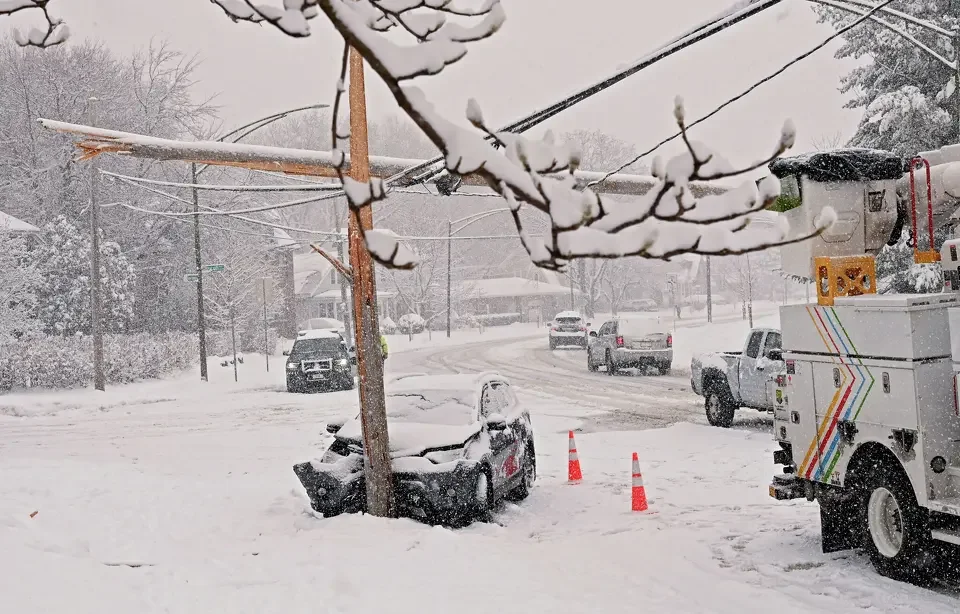
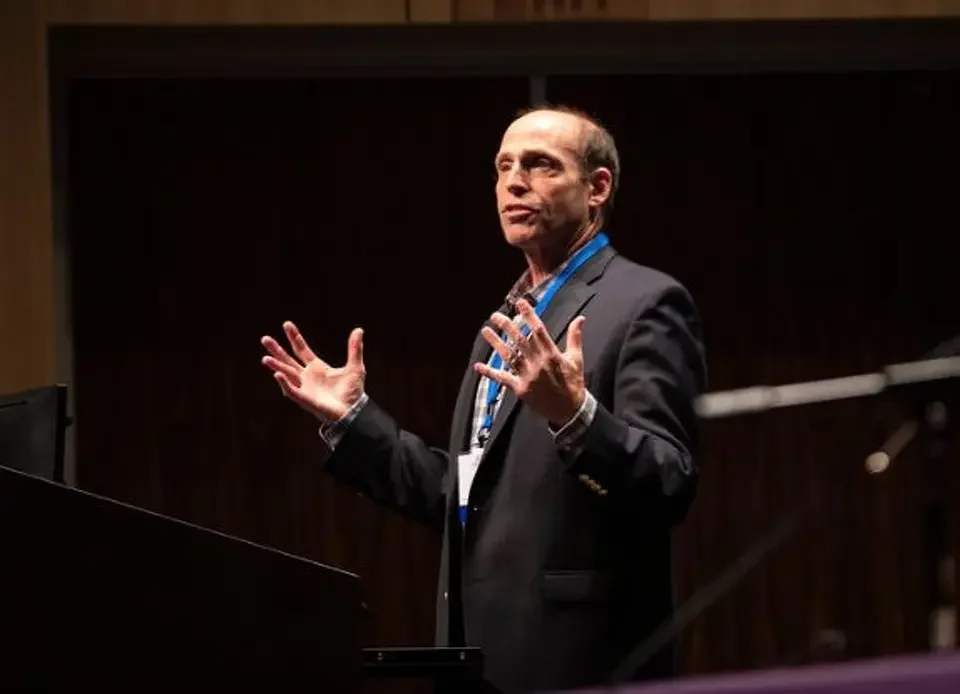
Jeff Freedman, a research faculty member at UAlbany’s Atmospheric Sciences Research Center and co-principal investigator for the North American Forecasting Model, says the project involves refining the AI modeling of weather in specific areas and focusing on certain weather events that cause the most outages, like freezing ice, high winds, flooding. And in what combination. The effect of these variables also depends on the local geography, which can have a huge impact.
“We call those compound events,” Freedman said in a phone interview Tuesday. “That’s a nightmare.”
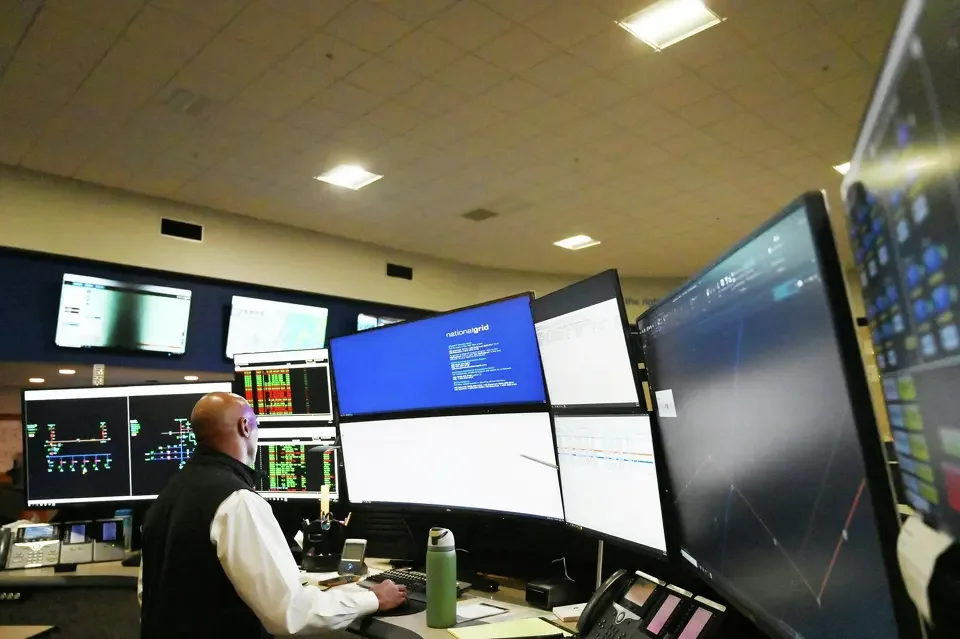
Freedman says the goal is to help utilities better forecast weather that will cause outages, and when and where the outages are expected to happen. That will save the utilities and, eventually, consumers money in the long run. Although utilities often have in-house meteorologists and their own predictive software and forecasting models, they typically guess where to allocate resources, which usually involves using contractors and mutual aid from other utilities to prepare for storms and restoration efforts.
Each crew can cost the utility thousands of dollars a day, working overtime and requiring hotels and meals, so being able to refine the way resources are deployed is a good way to reduce storm response costs. Power outages that last days on end can also have a large impact on small businesses and workers as well, something the new models will seek to reduce.
“The economic impact (of storm outages) goes beyond just utilities,” Freedman added.
Freedman points to a planned residential community outside of Fort Myers, Fla., called Babcock Ranch. The community was designed to be more resilient to hurricanes by designing homes that can withstand high winds and are located on higher ground, with water retention ponds to combat storm surges and flooding.
Power distribution lines are buried underground to prevent downed wires. Babcock Ranch gets all of its electricity from a 870-acre solar farm located nearby that generates more power than it uses from 650,000 solar panels and utility-scale batteries. The solar farm, owned by Florida Power & Light, is celebrated with a 2,500-square-foot discovery center that is open to the public.
During Hurricane Ida in 2021, Babcock Ranch’s 2,000 homes had continuous power while millions in Charlotte County and the surrounding area lost power, according to an article published by The University of Texas Permian Basin.
Freedman says that local solar power systems like Babcock Ranch's can be built more resilient to storms and can be brought back online more quickly than fossil fuel power plants, which serve wider areas and have more complex transmission systems vulnerable to flooding and high winds.